
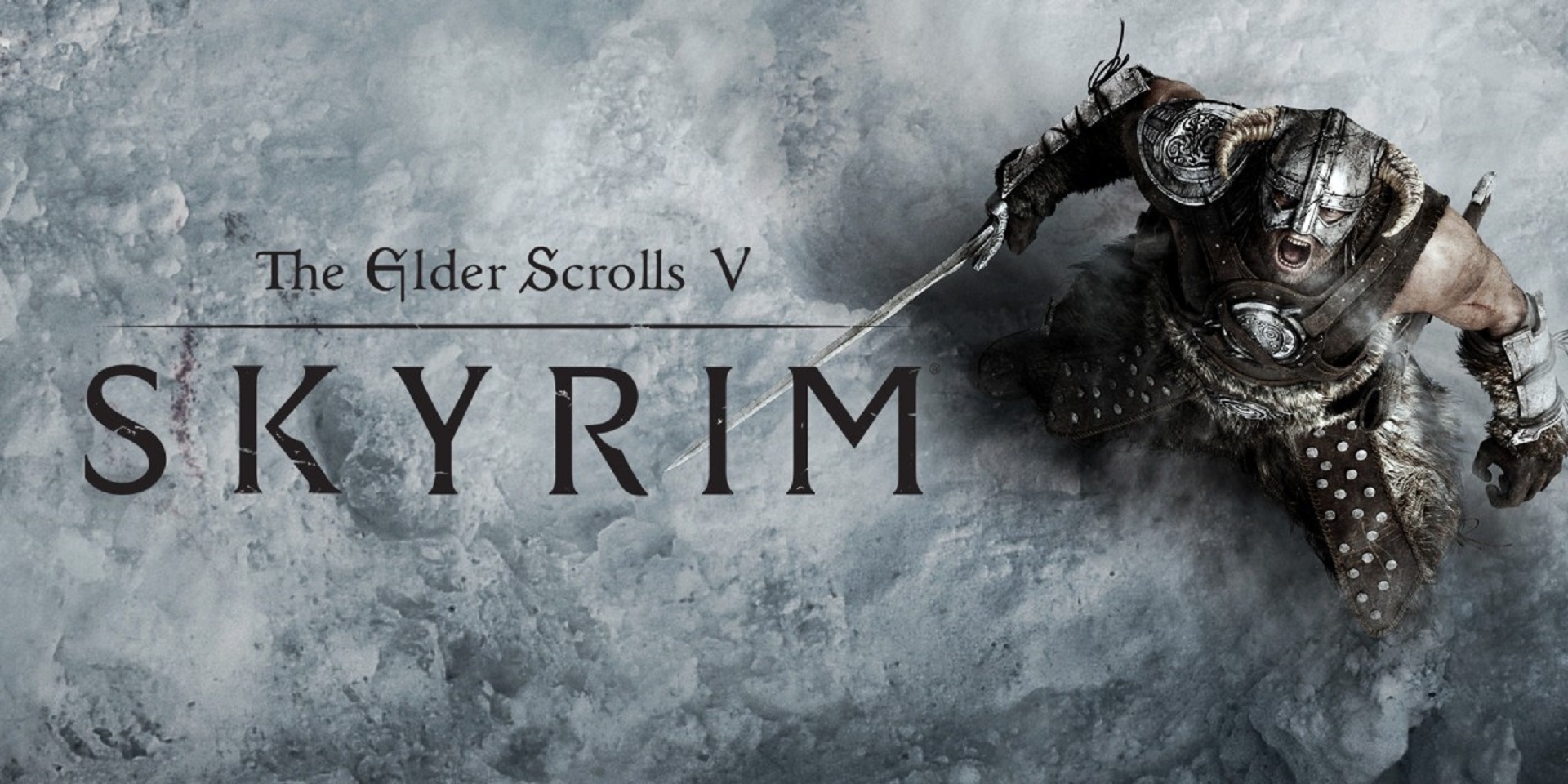
Recently, in an interview with PC Gamer, Raphael Colantonio described Bethesda titles as immersive sims. Colantonio was the founder and president of Arkane Studios for 18 years, co-creator of Dishonored, and and founder of WolfEye Studios. While discussing his currently untitled game inspired by Prey and Fallout: New Vegas, Colantonio discussed what he views as an immersive sim.
“If you really think about it, Bethesda games—or Obsidian games—are very, very immersive sim. The overlap between first-person RPG and immersive sim, it’s very blurry. I would say they are less physical than Arkane games, and they’re more on the stats, but at the end of the day they totally rely on simulation. Doing things such as fooling a merchant by putting a bucket on its head is definitely an immersive same thing, right?
“…We always make immersive sims. We’ve always done them, and we always will. But now, when it comes to the general, you can make an action immersive sim, or you can make an RPG immersive sim. I don’t want to speak for Bethesda, but I would be surprised if they say, ‘Oh, not at all.’ Their games rely heavily on simulations.”
There’s just one problem. Bethesda’s open worlds may let you stack boxes, they may let you pick up every item in the world, and unexpected combinations of items may fling you across the map or explode enemies.
But what does it matter?
Can you change the overall outcome of the main story in a myriad of ways? Does stacking boxes really help you solve major problems in unexpected ways? Can you find alternate, unmarked, even unplanned solutions to most quests? Are you, the player, in any way actually co-author of the experience instead of simply choosing between a number of fully developer-approved options?
No.
In his postmortem on Deus Ex, director and producer Warren Spector said:
But more important than any genre classification, the game was conceived with the idea that we’d accept players as our collaborators, that we’d put power back in their hands, ask them to make choices, and let them deal with the consequences of those choices. It was designed, from the start, as a game about player expression…
And that is the core of the idea. More than any mechanical similarity, an immersive sim hinges on the idea that the game’s systems are all in service of letting the player collaborate on the story and gameplay to make the experience their own.
Colantonio describes Baldur’s Gate 3 as “immersive sim-adjacent,” but that fantasy RPG is a true immersive sim. Not only can you stack boxes, you can stack boxes to radically change story progression and outcomes. The player is free to co-author their own story in a very real way, and there are relatively few guardrails preventing the player from going in directions unexpected even to the developers.
If you’re trying to decide if something is an immersive sim, don’t just ask yourself, “Can I stack boxes to climb that mountain?” but “Will it really matter if I stack boxes to climb that mountain?”
Source: PC Gamer
Featured Image: Bethesda Softworks
The Boss Rush Podcast – A Podcast About Video Games

The Boss Rush Podcast is the flagship podcast of The Boss Rush Network and Boss Rush Media. Each week, hosts Corey Dirrig, Stephanie Klimov, LeRon Dawkins, and Pat Klein come together with their friends, colleagues, and fellow creators to talk about their week in video games, discuss industry topics, conduct interviews, answer listener questions, and more. New episodes every Monday. Get each episode one week early and more perks over on the Boss Rush Network Patreon page.
This feed also includes Boss Rush Spotlight podcasts and Boss Rush Video Game Book Club. Get both shows early on Patreon.
Email the Show: podcast.bossrush@gmail.com
Listen to The Boss Rush Podcast:
Apple Podcasts | Spotify | Anchor | YouTube
Follow and Connect:
X (Formerly Twitter) | Instagram | Threads | Facebook | LinkedIn
Join Our Community:
Discord | Facebook | LinkedIn

Leave a Reply