Logo of Boss Rush Network featuring circular icons and text.

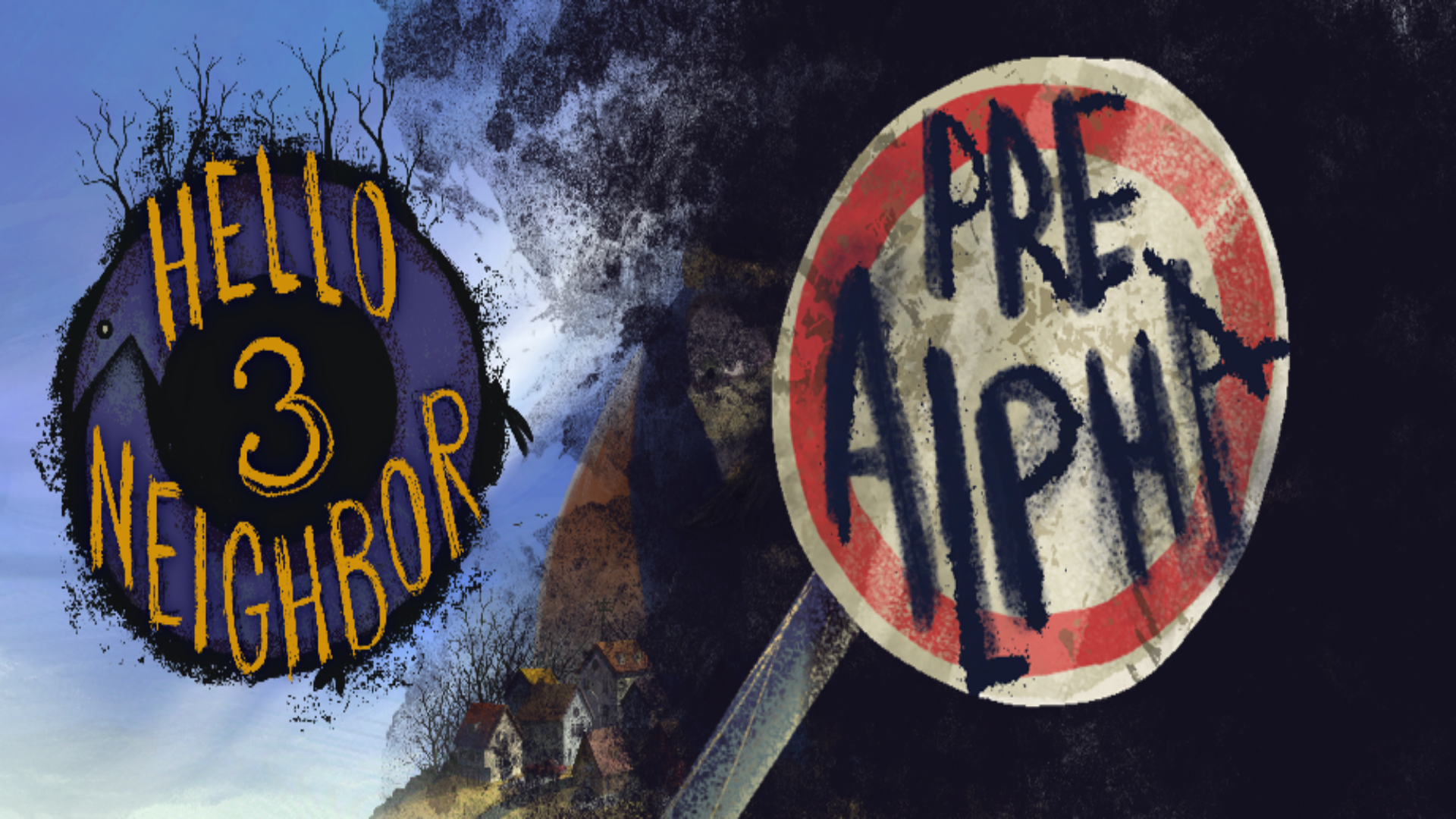
GAME REVIEW: Hello Neighbor 3 (Pre-Alpha) Is a Promising Sandbox Still Finding Its Identity

4–7 minutes

Developer: tinyBuild/Eerie Guest Studios.
Publisher: tinyBuild
Release Date: TBA
Platform: PC
Version Reviewed: Pre-Alpha Build
Price: N/A

The Hello Neighbor series has always thrived on unpredictability. From its earliest iterations, the franchise built its identity around an adaptive AI antagonist, blending stealth, puzzle-solving, and environmental storytelling into a tense suburban mystery.

With Hello Neighbor 3, that formula evolves into something far more ambitious. Rather than confining players to a single house and a singular threat, this entry appears to be pushing toward a fully interactive sandbox neighborhood, where multiple characters, systems, and environmental variables coexist. After spending time with the pre-alpha build, it’s clear that the vision is compelling—but the execution is still very much in progress.

Narrative Direction & World Building

A menacing character holding a shovel, set against a dark and eerie background with twisted trees.
Image: tinyBuild

At this early stage, narrative details are intentionally sparse. No heavy exposition or structured storytelling is guiding the experience, which appears to be a deliberate design choice.

Instead, Hello Neighbor 3 leans into environmental storytelling and player-driven discovery. The neighborhood itself feels like a puzzle—one that encourages curiosity rather than direct instruction. Clues are implied through: layout and design of homes, object placement, environmental elements inconsistencies, and character behavior patterns.

This approach aligns well with the series’ roots but expands its scope. Rather than asking “What is the neighbor hiding?”, the game now seems to ask “What is this entire place hiding?” However, in its current state, the lack of narrative scaffolding can create a disconnect. Without clear motivation or progression markers, players may struggle to understand not just what to do, but why they are doing it.

Core Gameplay Loop

A character holding a crowbar stands on a cracked road in a deserted, overgrown town with abandoned buildings and trees in a pre-alpha game environment.
Image: tinyBuild

At its foundation, the gameplay still revolves around three core pillars: stealth, exploration, and puzzle solving. What differentiates this entry is how those pillars interact within a more open-ended system.

The shift toward a sandbox environment is immediately noticeable. Players are given significantly more freedom to explore, experiment, and approach objectives in non-linear ways. You can now enter spaces from multiple angles, manipulate objects to create new pathways, and observe patterns in AI before interacting.

This creates moments of genuine player agency. Instead of solving puzzles in a predetermined way, you’re often discovering solutions organically. That said, the lack of structure can sometimes work against the experience. Without subtle guidance systems, it’s easy to lose momentum or wander, especially when objectives are unclear.


Artificial Intelligence — Innovation Meets Inconsistency

One of the defining features of the franchise has always been its AI, and Hello Neighbor 3 attempts to take that concept even further. The AI demonstrates a clear attempt at reactivity and adaptation:  Characters respond to environmental changes, Suspicion can build based on repeated player actions, and NPCs may alter routines depending on perceived threats

These systems create tension that feels dynamic rather than scripted. At its best, the AI produces moments where players feel genuinely outsmarted—or, conversely, proud of successfully manipulating behavior patterns. However, the system is not yet consistent enough to fully support its ambition: reactions can feel unpredictable in unintended ways, detection logic is sometimes unclear, and behavior loops can break immersion

As a result, it’s occasionally difficult to determine whether an outcome is the result of intentional design or technical limitation. This inconsistency can undermine both stealth mechanics and player confidence. I wanted to like the AI more than I did. It’s clearly doing something ambitious, but in practice, it felt more frustrating than engaging. Instead of enhancing the experience, the unpredictability often made it harder to read situations or feel in control, which is especially noticeable in a game that relies so heavily on stealth and player decision-making.

Puzzle Design & Player Agency

Puzzle-solving in Hello Neighbor 3 is less about isolated challenges and more about systemic interaction. Rather than presenting clearly defined puzzles, the game encourages experimentation through combining items in unconventional ways, using the environment to bypass obstacles, and learning through trial and error.

This design philosophy supports the sandbox approach but introduces a key issue: clarity. While experienced players may appreciate the freedom, others may find the lack of feedback frustrating. The game rarely confirms whether you are progressing in the right direction, which can lead to stagnation.

Balancing freedom with readability will be essential moving forward.

Technical Performance & Stability

As expected from a pre-alpha build, the technical state of the game reflects its early development stage. Some of the issues I observed were frame rate instability and stuttering, physics inconsistencies, animation glitches, and occasional interaction delays or failures.

While none of these issues completely prevent playability, they are frequent enough to impact immersion. Despite these issues, the foundational systems appear functional. The core mechanics are present—it’s the polish and optimization that remain incomplete.

Atmosphere, Visual Identity & Sound Design

A first-person view of a dilapidated house surrounded by trees and a pathway, with hands in the foreground. The scene conveys a sense of adventure or exploration.
Image: tinyBuild

Atmosphere continues to be one of the game’s strongest elements.

Visual Design: The stylized aesthetic remains intact but feels slightly more grounded. Environments are detailed in a way that suggests lived-in spaces rather than purely constructed levels. Through cluttered interiors that enhance realism, lighting that contributes to tension, and finally, color palettes that reinforce mood shifts.

Audio Design: Sound plays a critical role in maintaining immersion through ambient noise, which builds unease, subtle audio cues that signal nearby threats, and silence, which is used effectively to create tension.

Even in its unfinished state, the game demonstrates a strong understanding of environmental storytelling through audiovisual design.

Strengths & Weaknesses

Abandoned supermarket surrounded by bare trees and dry grass, with a faded 'Super Market' sign and a vintage look.
Image: tinyBuild

Strengths:

  • Ambitious sandbox structure
  • Dynamic AI systems with strong potential
  • Immersive atmosphere and environmental detail
  • Encourages creative, player-driven problem solving

Weaknesses:

  • Inconsistent AI behavior
  • Lack of clear progression or direction
  • Technical instability
  • Puzzle clarity needs refinement

Final Score (Pre-Alpha – Subject to Change)

Rating: 3 out of 5.

Hello Neighbor 3 represents a significant evolution for the series. Its shift toward a living, reactive sandbox introduces new opportunities for emergent gameplay and deeper player engagement. However, that same ambition introduces complexity—particularly in maintaining clarity, consistency, and technical stability.

In its current pre-alpha state, the game feels like a framework for something compelling rather than a fully realized experience. The ideas are present, but they require refinement and cohesion to reach their full potential.

If the development team can successfully balance freedom with structure, and innovation with reliability, Hello Neighbor 3 has the potential to redefine what the series can be.


A bold and ambitious step forward, held back by inconsistency and early-stage technical limitations.

Featured Image: tinyBuild

We Are Boss Rush. Be Better.

, , ,
, , ,

Leave a Reply

Nintendo's Position against the Xbox & PlayStation Power Struggle - Boss Rush Podcast - A Podcast about Video Games

Support ⁠⁠⁠⁠⁠⁠⁠⁠⁠⁠⁠⁠⁠⁠⁠⁠⁠⁠⁠Boss Rush Network on Patreon⁠⁠⁠⁠⁠⁠⁠⁠⁠⁠⁠⁠⁠⁠⁠⁠⁠⁠⁠⁠⁠⁠⁠⁠⁠⁠⁠⁠⁠⁠⁠⁠⁠⁠.Nintendo has a way of turning overlooked games into some of the biggest franchises in gaming. On this episode of the Boss Rush Podcast, Corey Dirrig⁠⁠ and Edward Varnell talk about major life changes, preparing for new chapters, and finding ways to keep moving forward. They also dive into how Monolith Soft became one of Nintendo’s most important studios, the role Smash Bros. played in introducing fans to series like Xenoblade and Fire Emblem, and how handheld gaming helped franchises such as Monster Hunter, Persona, Dragon Quest, and other RPGs find huge audiences.This and more on the Boss Rush Podcast, part of the Boss Rush Network. Email us your ⁠⁠⁠⁠⁠⁠⁠⁠⁠⁠⁠⁠⁠⁠⁠⁠questions and topic ideas to the podcast here⁠⁠⁠⁠⁠⁠⁠⁠⁠⁠⁠⁠⁠⁠⁠⁠.Join the ⁠⁠⁠⁠⁠⁠⁠⁠⁠⁠⁠⁠⁠⁠⁠⁠⁠⁠⁠⁠⁠⁠⁠⁠⁠⁠⁠⁠⁠⁠⁠Boss Rush Network Community Discord⁠⁠⁠⁠⁠⁠⁠⁠⁠⁠ here⁠⁠⁠⁠⁠⁠⁠⁠⁠⁠⁠⁠⁠⁠⁠⁠⁠⁠⁠⁠.Follow the Boss Rush Network on ⁠⁠⁠⁠⁠⁠⁠⁠⁠⁠⁠⁠⁠⁠⁠⁠⁠⁠⁠⁠⁠⁠⁠⁠⁠⁠⁠⁠⁠⁠⁠⁠X/Twitter⁠⁠⁠⁠⁠⁠⁠⁠⁠⁠⁠⁠⁠⁠⁠⁠⁠⁠⁠⁠⁠⁠⁠⁠⁠⁠⁠⁠⁠⁠⁠⁠, ⁠⁠⁠⁠⁠⁠⁠⁠⁠⁠⁠⁠⁠⁠⁠⁠⁠⁠⁠⁠⁠⁠⁠⁠⁠⁠⁠⁠⁠⁠⁠⁠Bluesky⁠⁠⁠⁠⁠⁠⁠⁠⁠⁠⁠⁠⁠⁠⁠⁠⁠⁠⁠⁠⁠⁠⁠⁠⁠⁠⁠⁠⁠⁠⁠⁠, ⁠⁠⁠⁠⁠⁠⁠⁠⁠⁠⁠⁠⁠⁠⁠⁠⁠⁠⁠⁠⁠⁠⁠⁠⁠⁠⁠⁠⁠⁠⁠⁠Facebook⁠⁠⁠⁠⁠⁠⁠⁠⁠⁠⁠⁠⁠⁠⁠⁠⁠⁠⁠⁠⁠⁠⁠⁠⁠⁠⁠⁠⁠⁠⁠⁠, ⁠⁠⁠⁠⁠⁠⁠⁠⁠⁠⁠⁠⁠⁠⁠⁠⁠⁠⁠⁠⁠⁠⁠⁠⁠⁠⁠⁠⁠⁠⁠⁠LinkedIn⁠⁠⁠⁠⁠⁠⁠⁠⁠⁠⁠⁠⁠⁠⁠⁠⁠⁠⁠⁠⁠⁠⁠⁠⁠⁠⁠⁠⁠⁠⁠⁠, ⁠⁠⁠⁠⁠⁠⁠⁠⁠⁠⁠⁠⁠⁠⁠⁠⁠⁠⁠⁠⁠⁠⁠⁠⁠⁠⁠⁠⁠⁠⁠⁠Threads⁠⁠⁠⁠⁠⁠⁠⁠⁠⁠⁠⁠⁠⁠⁠⁠⁠⁠⁠⁠⁠⁠⁠⁠⁠⁠⁠⁠⁠⁠⁠⁠, and ⁠⁠⁠⁠⁠⁠⁠⁠⁠⁠⁠⁠⁠⁠⁠⁠⁠⁠⁠⁠⁠⁠⁠⁠⁠⁠⁠⁠⁠⁠⁠⁠Instagram⁠⁠⁠⁠⁠⁠⁠⁠⁠⁠⁠⁠⁠⁠⁠⁠⁠⁠⁠⁠⁠⁠⁠⁠⁠⁠⁠⁠⁠⁠.Thanks for your continued support of the Boss Rush Podcast and the Boss Rush Network! If you listen on podcast services, leave us a 5 star rating and a nice review or comment. If you're listening to this episode on YouTube, subscribe to the channel, like the video, leave a comment, and hit the bell so you don't miss an episode posting. ⁠⁠⁠⁠⁠⁠⁠⁠⁠⁠⁠⁠⁠⁠⁠⁠⁠⁠⁠Visit our website for more great content⁠⁠⁠⁠⁠⁠⁠⁠⁠⁠⁠⁠⁠⁠⁠⁠⁠⁠⁠ from Boss Rush and our community.

Nintendo Switch 2’s Biggest Games and Zelda Movie News - Nintendo Pow Block Podcast - Now Your Podcasting with Power!

Hey! Listen! Email Nintendo Pow Block your questions, topics, and comments!Nintendo is loading up the Switch 2 with more big games, including the heavy hitters from their Japanese partners.On this episode of Nintendo Pow Block, Edward Varnell and Corey Dirrig⁠⁠⁠⁠⁠⁠⁠⁠⁠⁠⁠⁠⁠⁠⁠⁠⁠⁠⁠⁠ break down Nintendo’s confirmed Switch 2 lineup through 2027, including The Legend of Zelda: Ocarina of Time, Pokémon Winds, Pokémon Waves, and Xenoblade Genesis. They also discuss the huge third-party lineup, Fire Emblem: Fortune’s Weave mouse controls, new details on the live-action Zelda movie, and the latest THQ Nordic Showcase news. Plus, they cover this week’s new Switch games, updates for Pokémon Pokopia, Splatoon Raiders, Lies of P, and more, along with listener questions about remakes, spinoffs, and Nintendo’s future.This and more on this episode of Nintendo Pow Block, part of the Boss Rush Network. Join our Communities:Join the ⁠⁠⁠⁠⁠⁠⁠⁠⁠⁠⁠⁠⁠⁠⁠⁠⁠⁠⁠⁠⁠⁠⁠⁠⁠⁠Boss Rush Network Community Discord⁠⁠⁠⁠⁠⁠⁠⁠⁠⁠⁠⁠⁠⁠⁠⁠⁠⁠⁠⁠⁠⁠⁠⁠⁠. Join the ⁠⁠⁠⁠⁠⁠⁠⁠⁠⁠⁠⁠⁠⁠⁠⁠⁠⁠⁠Boss Rush Network Facebook Group⁠⁠⁠⁠⁠⁠⁠⁠⁠⁠⁠⁠⁠⁠⁠⁠⁠⁠⁠.Follow Nintendo Pow Block on Social Media: Nintendo Pow Block Podcast: ⁠⁠⁠⁠⁠⁠⁠⁠⁠⁠⁠⁠⁠⁠⁠⁠⁠⁠⁠X/Twitter⁠⁠⁠⁠⁠⁠⁠⁠⁠⁠⁠⁠⁠⁠⁠⁠⁠⁠⁠, ⁠⁠⁠⁠⁠⁠⁠⁠⁠⁠⁠⁠⁠⁠⁠⁠⁠⁠⁠Bluesky⁠⁠⁠⁠⁠⁠⁠⁠⁠⁠⁠⁠⁠⁠⁠⁠⁠⁠⁠, ⁠⁠⁠⁠⁠⁠⁠⁠⁠⁠⁠⁠⁠⁠⁠⁠⁠⁠⁠Instagram,⁠⁠⁠⁠⁠⁠⁠⁠⁠⁠⁠⁠⁠⁠⁠⁠⁠⁠⁠ ⁠⁠⁠⁠⁠⁠⁠⁠⁠⁠⁠⁠⁠⁠⁠⁠⁠⁠⁠Threads⁠⁠⁠⁠⁠⁠⁠⁠⁠⁠⁠⁠⁠⁠⁠⁠⁠⁠⁠, ⁠⁠⁠⁠⁠⁠⁠⁠⁠⁠⁠⁠⁠⁠⁠⁠⁠⁠⁠Facebook⁠⁠⁠⁠⁠⁠⁠⁠⁠⁠⁠⁠⁠⁠⁠⁠⁠⁠⁠⁠⁠⁠⁠⁠⁠⁠⁠⁠⁠⁠⁠⁠⁠⁠⁠⁠⁠⁠YouTube⁠⁠⁠⁠⁠⁠⁠⁠⁠⁠⁠⁠⁠⁠⁠⁠⁠⁠⁠, ⁠⁠⁠⁠⁠⁠⁠⁠⁠⁠⁠⁠⁠⁠⁠⁠⁠⁠⁠Twitch.TV⁠⁠⁠⁠⁠⁠⁠⁠⁠⁠⁠⁠⁠⁠⁠⁠⁠⁠⁠Follow the Boss Rush Network: ⁠⁠⁠⁠⁠⁠⁠⁠⁠⁠⁠⁠⁠⁠⁠⁠⁠⁠⁠⁠⁠⁠⁠⁠⁠⁠⁠X/Twitter⁠⁠⁠⁠⁠⁠⁠⁠⁠⁠⁠⁠⁠⁠⁠⁠⁠⁠⁠⁠⁠⁠⁠⁠⁠⁠⁠, ⁠⁠⁠⁠⁠⁠⁠⁠⁠⁠⁠⁠⁠⁠⁠⁠⁠⁠⁠⁠⁠⁠⁠⁠⁠⁠⁠Bluesky⁠⁠⁠⁠⁠⁠⁠⁠⁠⁠⁠⁠⁠⁠⁠⁠⁠⁠⁠⁠⁠⁠⁠⁠⁠⁠⁠, ⁠⁠⁠⁠⁠⁠⁠⁠⁠⁠⁠⁠⁠⁠⁠⁠⁠⁠⁠⁠⁠⁠⁠⁠⁠⁠⁠Instagram⁠⁠⁠⁠⁠⁠⁠⁠⁠⁠⁠⁠⁠⁠⁠⁠⁠⁠⁠⁠⁠⁠⁠⁠⁠⁠, ⁠⁠⁠⁠⁠⁠⁠⁠⁠⁠⁠⁠⁠⁠⁠⁠⁠⁠⁠Threads⁠⁠⁠⁠⁠⁠⁠⁠⁠⁠⁠⁠⁠⁠⁠⁠⁠⁠⁠⁠⁠⁠⁠⁠⁠⁠⁠⁠, ⁠⁠⁠⁠⁠⁠⁠⁠⁠⁠⁠⁠⁠⁠⁠⁠⁠⁠⁠⁠⁠⁠⁠⁠⁠⁠⁠Facebook⁠⁠⁠⁠⁠⁠⁠⁠⁠⁠⁠⁠⁠⁠⁠⁠⁠⁠⁠⁠⁠⁠⁠⁠⁠⁠⁠, ⁠⁠⁠⁠⁠⁠⁠⁠⁠⁠⁠⁠⁠⁠⁠⁠⁠⁠⁠⁠⁠⁠⁠⁠⁠⁠⁠LinkedIn⁠⁠⁠⁠⁠⁠⁠⁠⁠⁠⁠⁠⁠⁠⁠⁠⁠⁠⁠⁠⁠⁠⁠⁠⁠⁠⁠, ⁠⁠⁠⁠⁠⁠⁠⁠⁠⁠⁠⁠⁠⁠⁠⁠⁠⁠⁠⁠⁠⁠⁠⁠⁠⁠⁠⁠⁠⁠⁠⁠⁠⁠⁠⁠⁠⁠⁠⁠⁠⁠⁠⁠⁠⁠⁠⁠⁠⁠⁠⁠⁠⁠⁠⁠⁠⁠⁠⁠⁠YouTube⁠⁠⁠⁠⁠⁠⁠⁠⁠⁠⁠⁠⁠⁠⁠⁠⁠⁠⁠, ⁠⁠⁠⁠⁠⁠⁠⁠⁠⁠⁠⁠⁠⁠⁠⁠⁠⁠⁠Twitch.TV⁠⁠⁠⁠⁠⁠⁠⁠⁠⁠⁠⁠⁠⁠⁠⁠⁠⁠⁠Support Boss Rush Network:Support Boss Rush on ⁠⁠⁠⁠⁠⁠⁠⁠⁠⁠⁠⁠⁠⁠⁠⁠⁠⁠⁠⁠⁠⁠⁠⁠⁠⁠Patreon⁠⁠⁠⁠⁠⁠⁠⁠⁠⁠⁠⁠⁠⁠⁠⁠⁠⁠⁠⁠⁠⁠⁠⁠⁠⁠⁠⁠⁠⁠⁠⁠⁠⁠⁠⁠⁠⁠⁠⁠⁠⁠⁠⁠⁠⁠⁠ and buy merch on our ⁠⁠⁠⁠⁠⁠⁠⁠⁠⁠⁠⁠⁠⁠⁠⁠⁠⁠⁠⁠⁠⁠⁠⁠⁠⁠⁠⁠⁠⁠⁠⁠⁠⁠⁠⁠⁠⁠⁠⁠⁠⁠⁠⁠⁠⁠⁠Store.⁠⁠⁠⁠⁠⁠⁠⁠⁠⁠⁠⁠⁠⁠⁠⁠⁠⁠⁠⁠⁠⁠⁠⁠⁠⁠ Subscribe to ⁠⁠⁠⁠⁠⁠⁠⁠⁠⁠⁠⁠⁠⁠⁠⁠⁠⁠⁠⁠⁠⁠⁠⁠⁠⁠Boss Rush on YouTube⁠⁠⁠⁠⁠⁠⁠⁠⁠⁠⁠⁠⁠⁠⁠⁠⁠⁠⁠⁠⁠⁠⁠⁠⁠⁠ and visit our ⁠⁠⁠⁠⁠⁠⁠⁠⁠⁠⁠⁠⁠⁠⁠⁠⁠⁠⁠⁠⁠⁠⁠⁠⁠⁠website at BossRush.net⁠⁠⁠⁠⁠⁠⁠⁠⁠⁠⁠⁠⁠⁠⁠⁠⁠⁠⁠⁠⁠⁠⁠⁠⁠⁠ for more great content.Thanks for Your Continued Support!Thank you for supporting Nintendo Pow Block! If you’re listening on podcast platforms, leave us a five-star rating and a review. If you’re watching on YouTube, subscribe, like, comment, and hit the bell so you never miss an episode. Your support means the world—see you next time on Nintendo Pow Block!

Obsidian Returns to the Fallout Wasteland, But at What Cost? - Xbox Casuals: An Xbox Podcast

Xbox is facing a crossroads, and the future of the brand depends on more than just nostalgia and remasters. In this episode of Xbox Casuals, Corey Dirrig and Josh Finney break down the challenges facing Microsoft’s gaming division, from a lack of fresh ideas and major releases to questions about the company’s long-term strategy. The hosts discuss why remastered classics alone cannot carry Xbox forward, how gaming and movie culture continue to influence each other, and what Xbox needs to do to reconnect with players.This and more on Xbox Casuals: An Xbox Podcast. Join ⁠⁠⁠⁠⁠⁠⁠⁠⁠⁠⁠⁠⁠⁠⁠⁠⁠⁠⁠⁠⁠⁠⁠⁠the Tower Casuals Community Discord⁠⁠⁠⁠⁠⁠⁠⁠⁠⁠⁠⁠⁠⁠⁠⁠⁠⁠⁠⁠⁠⁠Join ⁠⁠⁠⁠⁠⁠⁠⁠⁠⁠⁠⁠⁠⁠⁠⁠⁠⁠⁠⁠⁠⁠the Tower Casuals Podcast Clan⁠⁠⁠⁠⁠⁠⁠⁠⁠⁠⁠⁠⁠⁠ ⁠

Assassin's Creed Black Flag Resynced Discussion - Boss Rush Gamescast - A Gameplay Discussion Podcast

Would you rather empty portable toilets at a music festival or manage Sony’s social media account during a major public relations crisis? On this episode of the Boss Rush Gamescast, Patrick Klein and Stoy Jovic navigate the high-stakes pressure community managers face when corporate executives make controversial decisions. The discussion explores the ongoing fight for physical media preservation, potential disc-to-digital rumors for future Xbox hardware, and how ballooning development cycles threaten player interest. To close out the show, Stoy reviews indie narrative experiences Before Your Eyes and The Big Con, alongside his impressions of replaying Final Fantasy VII Remake on Nintendo Switch 2.#BossRushGamescast #AssassinsCreed #PlayStation #Xbox #GamingNews #PhysicalMedia #BossRush

Discover more from Boss Rush Network

Subscribe now to keep reading and get access to the full archive.

Continue reading