
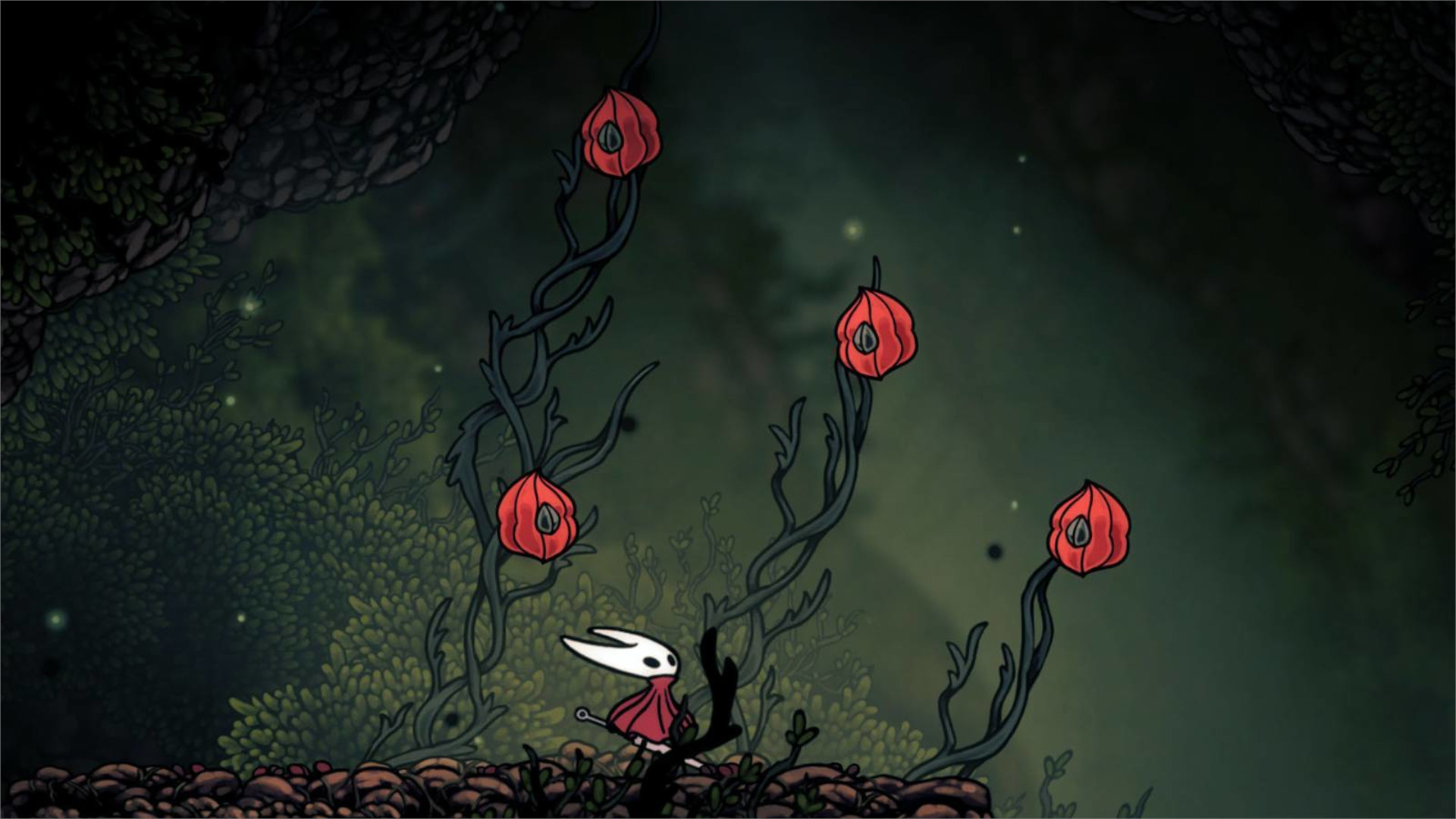
So, you’ve just died to that really tough boss for what feels like the hundredth time. You think you’re getting close to finally beating it – you’ve got all their attack patterns memorized; you know when it’s safe to heal and when to press the attack. You’re ready to take another crack at it. But before you can, you first have to run across half the level map and either fight or dodge a dozen different enemies before you can make it back to the boss arena. This is the dreaded boss runback.
In the age of generous checkpoints and autosaves, boss runbacks have mostly become a thing of the past, thrown to the wayside with other archaic game mechanics like lives systems and cheat codes. It’s completely understandable why we’ve mostly abandoned this practice – most players want to keep throwing themselves at a tough boss until they overcome it, no matter how many tries it takes.
Putting extra steps between attempts, then, may seem hostile to the player, making them waste time and effort just getting back to the actual challenge they’re tackling. So why do games like Dark Souls and Hollow Knight: Silksong include these runbacks? Are the developers just being lazy or spiteful? Or could these runbacks be a thoughtful, intentional part of these games’ design philosophies?
I’m not going to pretend to know exactly what thought process led these developers to include boss runbacks in their games. But nothing in a game happens by accident. There was some kind of process, some reason why the developers made this choice. So, let’s consider what some of those reasons might have been.

Image Credit: Bandai Namco (via YouTube)
First, a boss runback can help set the game’s pacing. A good boss fight is a real adrenaline rush, and failure often leaves you with heart pumping, palms sweating, and hands shaking. Forcing players to wait for a short time can give them a moment to calm down and center themselves before making another attempt. It also gives them time to reflect on the previous attempt and consider their strategy.
In a similar vein, this short break in game flow can encourage players to go do something else. No, I don’t mean you should turn off the game and do that load of laundry you’ve been putting off. I mean when a game is open-ended and heavily exploration-focused (as is the case with Dark Souls and Silksong), there’s almost always something else within the game that the player could go do. Maybe that unexplored corner of the map hides a weapon that the boss is weak to. Maybe that sidequest you haven’t completed may give you a health boost that makes the fight easier.
Another angle to consider is the way that runbacks can raise the stakes of the fight itself. Narratively, it heightens the drama of each attempt, putting the player in the mindset of their avatar as they fight for their life. But it also has a subtle effect on gameplay. It encourages players to play more defensively and strategically, because every mistake carries heavier consequences.
Now, I’m not saying that every boss runback is a positive experience. There have been plenty of times where I’ve felt like my time is being wasted for no good reason (looking at you, Ornstein and Smough). But dismissing these moments of friction as laziness or negligence does a disservice to the people making these games.
One of the most beautiful things about video games is the way that they let us communicate without language. So, the next time you find yourself running that pre-boss gauntlet over and over, stop for a minute and think about what the game’s creators might be trying to tell you. I guarantee that the answer is almost always more interesting than “git gud.”
What do you think? Am I crazy for appreciating boss runbacks? Do you have any standout examples from your own experience, good or bad? Head on over to our Discord and join the conversation!
Featured Image: Team Cherry (via Polygon)


Leave a Reply