
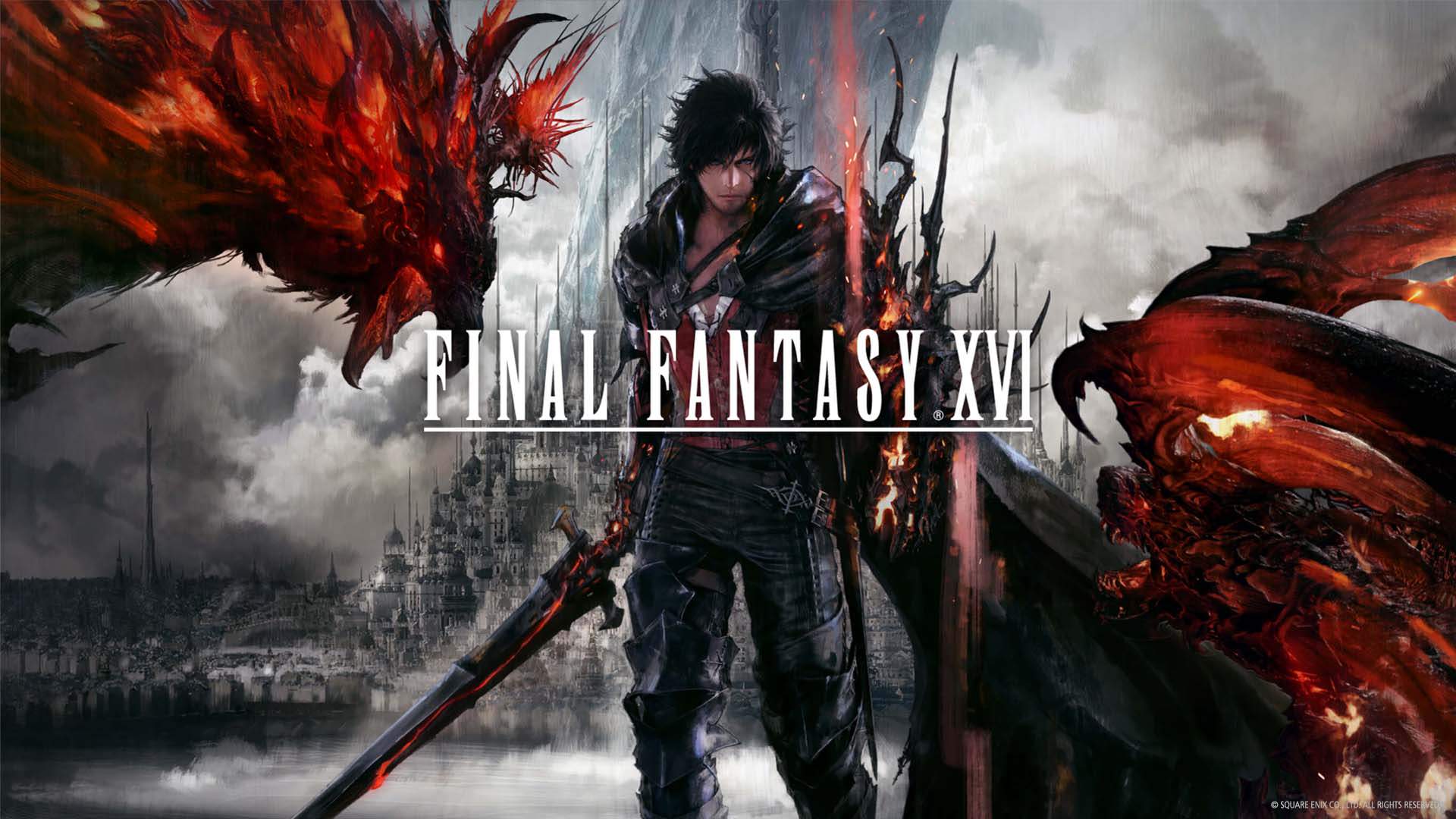
In the current triple-A video game industry, long running franchises are harder to come by. Extended development cycles along with a larger budget to pull from is partially to blame. In the current state of things, we’d be lucky to have a sequels of a game release in the same console generation. It’s understandably difficult for triple-A games to constantly one-up their predecessor every so handful of years, but what happens to new installments from franchises that have existed for decades and have to maintain a standard expected by fans?
As it takes longer to develop another fresh entry to a franchise, I believe there exists a stagnation that’s directly correlated with larger gaps in time between release. These studios begin to consider an entirely new audience with no prior experience to the franchise. To cater to these fans, studios seem to often change the recipe of their most requested dish. A strong example of this is the mainline installments of the Final Fantasy games. A series of video games renowned for it’s experimental themes with familiar mechanics have recently become simplified reminders of what the series once was.
A little final and a little fantasy

Square Enix is known for its decade-long franchises with titles like Final Fantasy, Dragon Quest, and Kingdom Hearts. Juggling these franchises shouldn’t be an issue for the perfect video game studio, it’s just Square Enix isn’t that studio either. In Final Fantasy‘s case; The tenth installment (Final Fantasy X) released for the PlayStation 2 in July 2001, with the eleventh installment (Final Fantasy XI) dropping less than a year later on May 2002. Both games feature gorgeous visuals and were one of Square’s earliest showcases of real-time background rendering in a Final Fantasy game. The last two mainline titles, Final Fantasy XV and Final Fantasy XVI, released seven years apart from each other. Did the extensive years between games give us polish? It sure did. In the process of cleaning up Final Fantasy XVI, however, it lost features that popularized the series to begin with. By no means is this a slander on Final Fantasy XVI. It’s narrative and world-building is one of my favorite in the series. My point is that, admittedly, Final Fantasy XVI, is more “XVI” than “Final Fantasy“.
When fans get excited for a new entry in a series of video games, they tend to do a lot of the game’s marketing themselves. Prior to the release of Elder Scrolls: Skyrim, Bethesda refused to splurge on marketing and instead relied on the hungry fans to propel buzz about its upcoming game. This worked so well that people who never cared for the Elder Scrolls games became hyper-aware of it’s existence, ultimately drawing in newer fans into the franchise. A similar event occurred with the release of Elden Ring, FROMSOFTWARE’s magnum opus that drew in millions of new fans of the genre. Both studios realized the attention their game would get upon release, and in favor of the new crowd they had drew in, the developers made sure to include a more beginner friendly environment that included quality of life features that were initially foreign to the previous titles.

Final Fantasy XVI is the worst case scenario of this. Unlike Skyrim and Elden Ring, Square didn’t just offer quality of life improvements, but changed the identity of the Final Fantasy games in favor of the general audience. Common series staples like party customization was cut from the game, with the entirety of the XVI‘s story experienced solely through Clive Rosfield, the protagonist of XVI. This made the medieval drama more digestible but having none of the other characters playable in combat placed a wall that prevented me from connecting to the supporting cast that the likes of Final Fantasy IX did in just a quarter of it’s playtime.
The combat of Final Fantasy XVI sticks out from other titles as well. Building on top Final Fantasy XV’s real-time combat system, XVI definitely ironed out the rough edges. Without the involvement of party members however, the gameplay spoils and quickly becomes repetitive. If you can swallow that pill and ignore the combat, the narrative of Final Fantasy XVI catches the spotlight instead. I’d like to clarify that I adore the story and world-building of XVI, but there were obvious changes to the script that further contrasts the game with it’s predecessors. For one, it has the shortest campaign of any mainline Final Fantasy game. “The journey” that many fans of the series were conditioned to appreciate more than the destination, hurried to the destination anyway. There were beautiful locations in Final Fantasy XVI but what’s the point if I’m not around enough to soak in the grandeur. The disconnection between the player and the supporting cast, the narrative elements that held any depth in the dialogue hostage, and the fast-paced world that had locations feel more like cardboard sets on a stage play, all amounted to the least “Final Fantasy” Final Fantasy game.
What next?

Dragon Quest 12, announced five years ago, is an upcoming JRPG that I worry Square Enix might similarly twist and disfigure for another audience’s approval rating. Kingdom Hearts IV is another title that’s at the mercy of Square Enix. Fans of either titles, old or new, will continue to share their excitement and draw in an even larger crowd. Shifting an established franchise in relation to the modern audience isn’t the issue here. Look at the critically-acclaimed Jak and Daxter games and how they grew in maturity along with their audience. It’s shifting a franchise’s core elements that I worry Square Enix might do with their upcoming installments. Although Final Fantasy XVI was a joy to get through, if we’re going to get a new Dragon Quest every decade I’d want it to be the most “Dragon Quest” Dragon Quest game ever.
Featured image: Square Enix
Boss Rush Gamescast – A Gameplay Deep Dive Discussion Podcast & Part of Boss Rush Podcast Plus

Boss Rush Gamescast is the gameplay deep dive discussion podcast from Boss Rush Network. Every other week, a panel of hosts and friends from across the internet take a deeper dive into the games they’ve been playing, featuring light spoilers, fun segments, and great conversations. New episodes drop every other week as part of Boss Rush Podcast Plus, with Patreon members getting early access one week in advance.
Listen to Boss Rush Podcast Plus on Podcast Services
Apple Podcasts + Spotify + Amazon + More Links
Follow and Connect with Boss Rush Network
X/Twitter + Bluesky + Instagram + Threads + YouTube
Thank you for watching the Boss Rush Gamescast as part of Boss Rush Podcast Plus on The Boss Rush Network. If you enjoyed this discussion, please consider subscribing to the YouTube channel and leave a thumbs up on the video. Consider leaving the show a rating and a nice review on your favorite podcast service if you prefer to listen to us there. Your listenership and support means more than you know. New episodes post every other week. Patreon supporters and YouTube subscribers get each episode one week early access. Thanks for watching and listening and we will see you next time.

Leave a Reply