
The idea of separating art from the artist comes from early 20th century literature, specifically Roland Barthes’s Death of the Author. In the essay, Barthes states that an author’s personal life and opinions shouldn’t dictate a reader’s perception of that authors work. This belief migrated its way into all kinds of media over the years, be it musicians with controversial opinions or painters who might have a couple of bodies in their freezer back home, the idea of their “art” being separated from themselves grew popular within these communities of fans who can acknowledge both the wrongful acts committed by these artists and still find enjoyment in the final product.
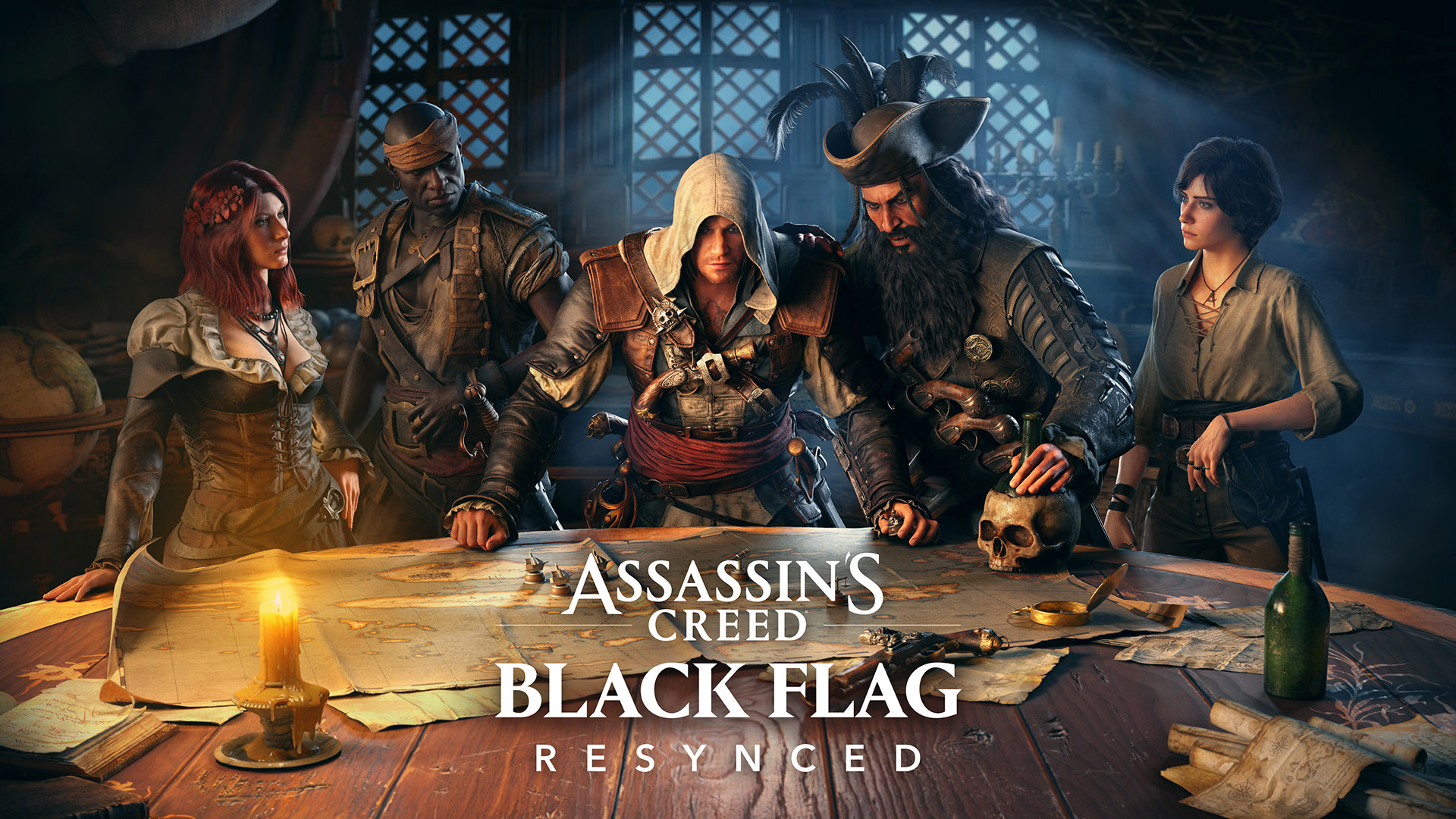
The closest thing you can get to the idea of separating art from the artist in the video game industry is separating the work developers put into their projects and the publishers responsible for delivering that project to the players. I’d like to bring up Ubisoft’s Assassin’s Creed Black Flag: Resynced as an example. I’ve put almost 30 hours into the reimagined pirating world of Black Flag and the work the developers put into bringing the 1700s Caribbean islands back to life is phenomenal. That hard work and love for their craft gets quickly undermined, though, when it’s Ubisoft’s reputation that’s packaged alongside the game.

If you’re aware of Ubisoft’s history with delivering games with the players’ wallet in mind, then you’d be skeptical of any major title that might come from that studio. That skepticism weighs down any project, no matter how much love a developer might put into it, because of the fans associating that title with a publisher’s previous hiccups (in Ubisoft’s case, that would be Skull and Bones). Video games are expensive, so I don’t blame people for dodging titles simply because they think they’re better off spending $70 on a game from a more respectable publisher. In doing so, however, those players might miss out on a title that had nothing but love and passion poured into it.
Unfortunately, the belief of separating art from an “artist” isn’t as popular in the video game industry. I believe that’s because the artist in this scenario would be the publishers and not the developers (the actual artists) themselves. If we can agree on that definition then we can start appreciating the games that have been overlooked simply because of the publisher associated with it. I brought up Assassin’s Creed Black Flag: Resynced specifically because it takes the challenge of remaking a beloved entry in the Assassin’s Creed series and absolutely knocking it out of the ball park. The team that worked on the game went above and beyond with Resynced and made sure to not just be an accurate remake of Black Flag but ironing out the edges and delivering an even better open-world pirate game.

If the developers were chefs, Ubisoft’s publishing team would be the waiter bringing you the food. It just so happens that on the way to your table, the waiter sprinkles a battle pass on your single-player fries. When Black Flag: Resynced launched, it was to no one’s surprise that it included a battle pass. Although the battle pass doesn’t involve any additional micro transactions, it still featured items from Assassin’s Creed Shadows in a collaborative effort to get you to buy that game too. It’s understandable why players can feel distrustful of Ubisoft, when their single-player game pulls comically evil ploys to get you to spend more money. If we separate Black Flag: Resynced with Ubisoft’s additions as the money-hungry publisher, I can confidently say it’d be a strong contender for Game of the Year.
I cannot begin to imagine the work developers have to put into delivering a game like Black Flag: Resynced. The attention to detail and added content is proof of the passion that went on behind closed doors. If you argue that the effort was only put into Resynced because they had a completed game to work off of, I’ll bring up Square Enix’s Guardians of the Galaxy as a rebuttal. Because of the Avengers’ poor reception in 2020, Square Enix’s follow-up Marvel game, Guardians of the Galaxy, got robbed of the love it deserved. A masterpiece of a superhero game that honestly rivals the likes of Insomniac’s Spider-Man and Rocksteady’s Arkham games, flopped simply because of the reputation a Marvel game published by Square Enix carried.

If we can separate an art from an artist, I think separating a game from their publishing studio should be just as normalized. There are games made by developers who respect their craft and want their work to be exactly how they envision it. It’s a shame that there’s countless players who won’t be able to experience these games because of a publishing studios greedy signature staining a final product. This issue puts us on a forked road. Should we play it safe and continue letting these publishers dictate a games reputation, or should we let the games speak for themselves and separate them from their publishers? This phenomenon isn’t explored enough in the industry and shining a light on it might get us an answer to this question.
Featured Image: Ubisoft
Boss Rush Podcast – A Podcast about Video Games

The Boss Rush Podcast – A Podcast about Video Games – is the flagship show of the Boss Rush Network and Boss Rush Media. Each week, hosts Corey Dirrig and LeRon Dawkins are joined by friends, fellow creators, indie developers, and industry veterans to discuss the latest in the world of video games, including news, rumors, new releases, and what they’ve been playing. They also answer listener questions, debate important industry topics and Boss Rush Banter discussion points, and feature a rotating weekly segment. New episodes post every Monday.
Follow and Connect with Boss Rush Podcast on Social Media
X/Twitter + Bluesky + Instagram + Threads + YouTube
Listen to Boss Rush Podcast on Podcast Services
Apple Podcasts + Spotify + Goodpods + Amazon + More Links
Thank you for supporting Boss Rush Podcast and the Boss Rush Network
Thank you for watching or listening to The Boss Rush Podcast. If you’re watching this episode on YouTube, hit the Subscribe button, Like the video, and hit the notification bell so you don’t miss an episode! If you’re listening on Apple Podcasts or Spotify, consider leaving us a rating and a review as it helps with discoverability and growth. Support Boss Rush on Patreon for exclusive content, early access and audio versions of shows, become a Patreon Producer, and more. Visit our website for all of our content including reviews, news, daily Boss Rush Banter discussion topics, listicles, features, and more. However you support us, it means so much to us. Thank you for your continued support of the Boss Rush Podcast and the Boss Rush Network.

Leave a Reply