
Role-playing games have been a pillar of the video game industry since its earliest days. From the 8-bit adventures of Final Fantasy and Dragon Quest to Game of the Year winners like Baldur’s Gate 3, gamers have long relished the feeling of overcoming challenges with clever tactics, team synergy, and the occasional bout of level grinding.
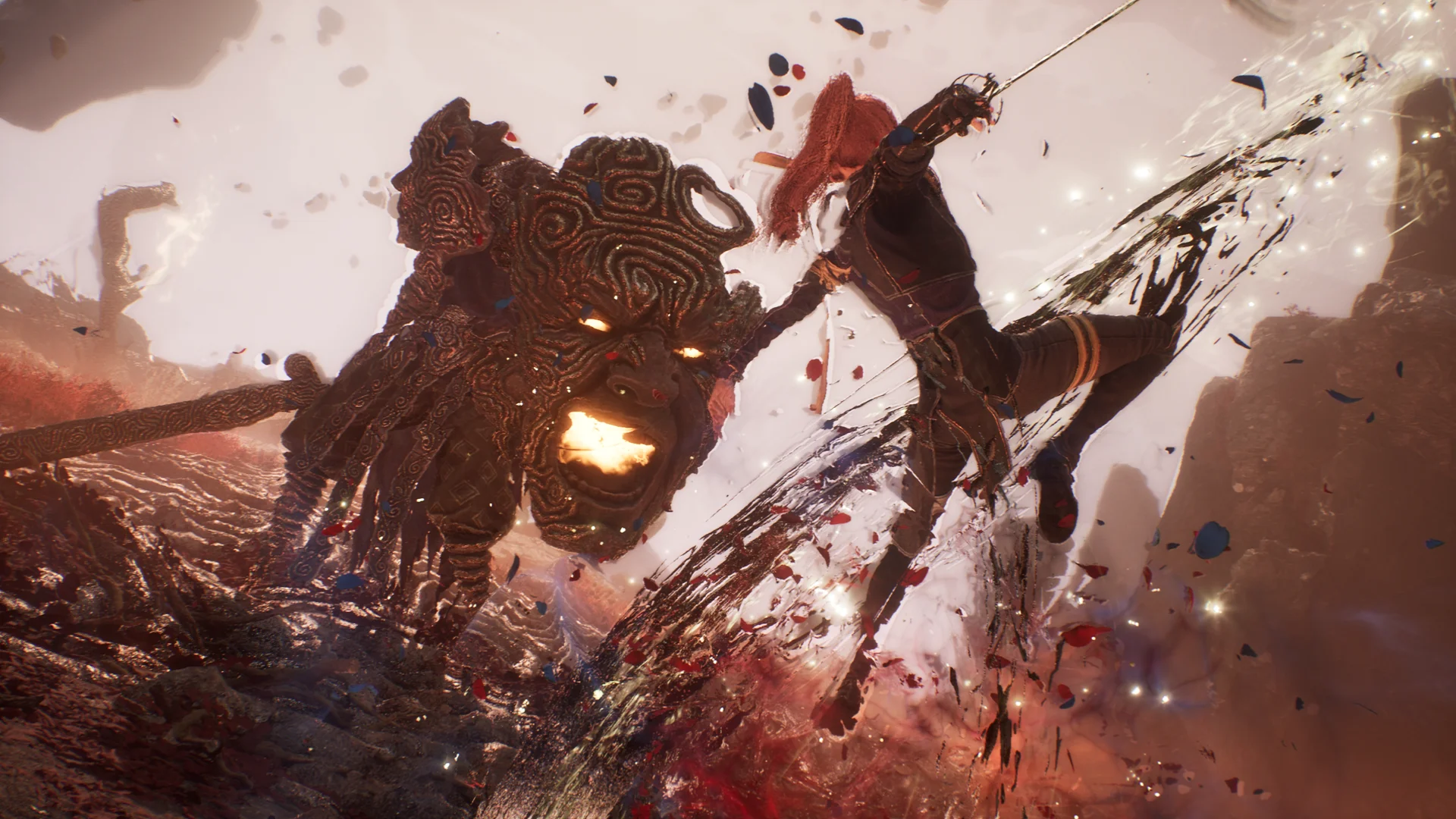
But one of the most common subgenres of RPG, the turn-based JRPG, has evolved quite significantly in the past few years. In the olden days, player input was limited to the battle menu – you select an action and your character performs that action, no further input required. More recently, however, it’s become popular to add real-time mechanics to turn-based battles, whether it’s the bullet hell mini-games in Deltarune or the dodge and parry system in Clair Obscur: Expedition 33.
It’s a change that makes a lot of sense. It lets the player have the satisfaction of strategic play while also keeping them engaged with mini-challenges in between the more tactical decisions. It seems like a complete upgrade from the classic menu-only formula. So is there any reason to keep making games using the old formula? Would we lose anything by abandoning classic turn-based battles altogether?

Image Credit: Nintendo (via Mario Wiki)
Let’s take a moment to consider how real-time mechanics might affect a game’s design choices. When all your actions are mediated solely through menus, that means that you should expect to split your actions equally between offense and defense. Taking damage is inevitable, so buffing and healing are just as important as attacking.
Conversely, defensive mechanics like dodges, blocks, and parries shift defense out of the standard action economy (i.e. you don’t have to spend a turn healing if you avoided damage from the previous attack). This encourages more aggressive tactics from the player, which in turn affects the balance of combat. Adding a dodge mechanic may turn a fairly challenging boss into a pushover, or an interesting puzzle boss into a war of attrition.
So, from a design perspective, hybrid systems are not a perfect replacement for classic turn-based systems. But is there still a market for the classic formula? At the moment, I think it’s a bit up in the air.
Currently, I would say there are only two high-profile stalwarts of the classic turn-based system: Pokémon and Dragon Quest. Both enormously popular properties to be sure, but neither of them are in particularly strong positions at the moment. The past few Pokémon titles have received some harsh criticism for seeming cheap and rushed, and the long bout of radio silence about Dragon Quest XII may hint at development problems.

Image Credit: Nintendo (via RPG Fan)
That’s not to say that I think classic turn-based systems are going to die out. Square Enix has kept the genre alive with solid AA titles like Bravely Default and Octopath Traveler. And although the Press Turn system puts them in a sort of limbo between classic and hybrid systems, Atlus always delivers some of the best turn-based battles in the business.
But as always, the real interesting stuff will always be in the indies. One of my favorite games of 2022, Chained Echoes, uses a classic turn-based system. Other titles like Fear & Hunger, Omori, and the recently re-released OFF demonstrate the wide variety of powerful narratives and compelling gameplay that you can achieve within this system.
Do you prefer classic turn-based battles or the new hybrid systems? Is there a game that you wished used a different system? Sound off in the comments or in our Discord and join the conversation!
Featured Image: Kepler Interactive (via RPG Fan)

Leave a Reply