
I use the term weird in the most endearing way. After completed Death Stranding 2: On the Beach, I was both floored and impressed. There were so many things I experienced in that game that had me scratching my head, and yet, it all…worked. To build on top of that, Death Stranding 2 was my first Hideo Kojima game. Yes, I was late to the party, but I decided it was time to get that Kojima experience, and now that I popped that cherry, I sincerely believe we need to incorporate and embrace more of the weird, the bizarre, and the zany in our video games.
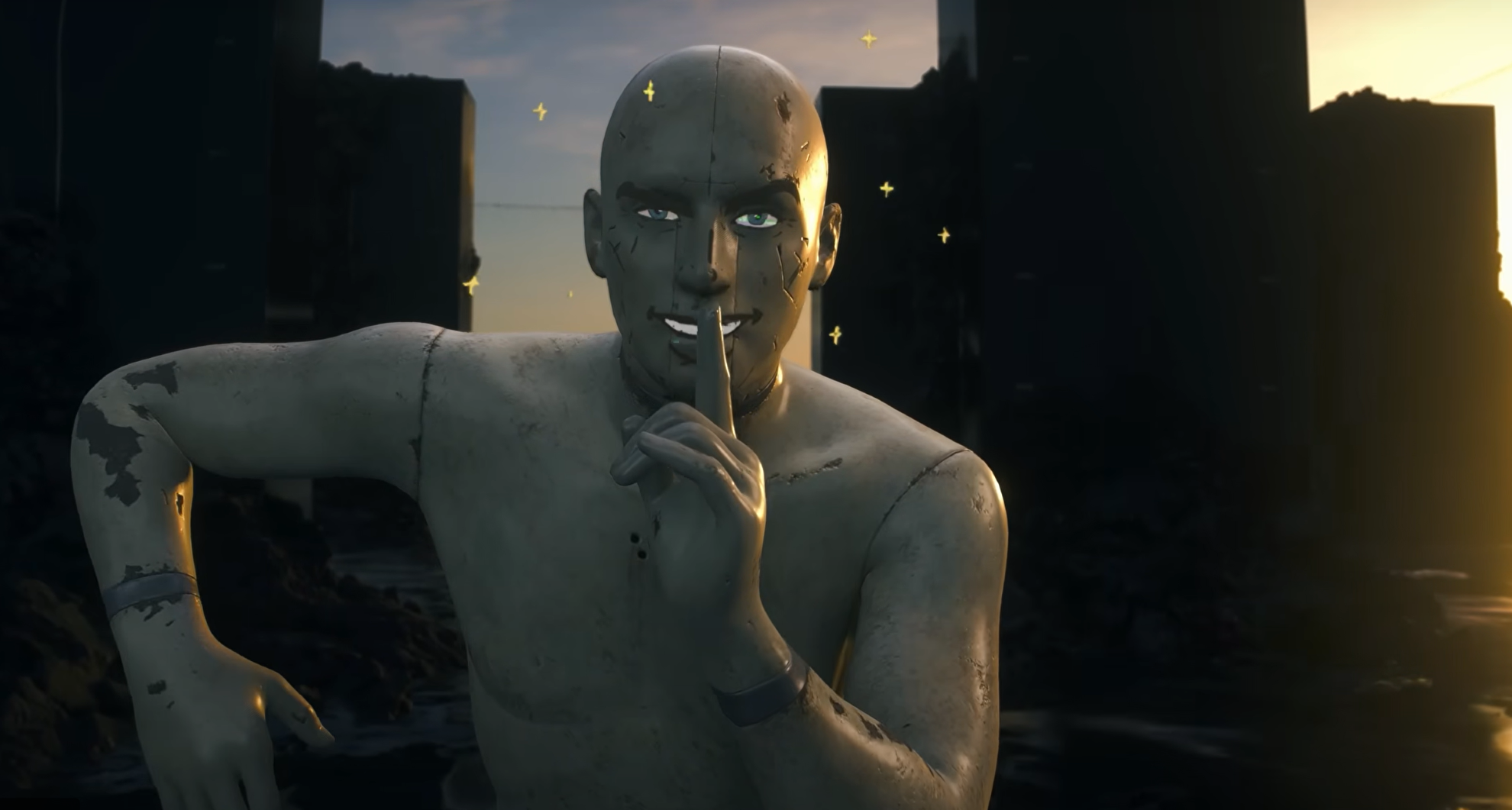
According to VG Chartz, the first Death Stranding game amassed 20 million players as of March 2025. Upon launch, the sequel sold 1.4 million. Suffice it to say, Kojima Productions is no small name. Hideo himself has built up a reputation as a visionary in story-telling, albeit through some bizarre methods. Who else would have come up with a story about making deliveries with a baby stuck inside a pod while avoiding entities that are trying to cross from the other side? Moreover, many characters are as bizarre as they are lovable. We have “Charlie” in Death Stranding 2, who is just a top-half on a mannequin, a Hydrologist who projectile vomits every 21 minutes, and Tarman, who can navigate the D.H.V. Magellan through the Tar currents with a severed “tar” hand. While it all makes sense in the world of Death Stranding, it feels weird to type it out or describe it to a non-gamer friend.

And yet, those quirky intricacies are what made these characters quite memorable. It you want a strong, narrative-driven game, you need not only a good story (duh) but also fleshed out characters. Sure, Deadman and Heartman sound–and are–fantastical, they are also strangely feel human. They’ve gotten that spice that makes them memorable as well as the complexity that allows us to draw comparisons and start caring about them. For example, Heartman dies every 21 minutes, then is resuscitated. Oh, and his heart lives outside his body. What does he do when he is “dead”? Part of his backstory is that he spent his time searching for his dead wife and child on the Beach. While no one person can say they can relate to that in a literal sense, but it is one-hundred percent human to seek the loved ones we lost and miss so much. Often, we as humans are in denial or even bargain when we are faced with the dead of a loved one.
The bewildering experience of Death Stranding 2: On the Beach sets the standards high for story telling as well. As Sam, you work on connecting all of Mexico and Australia to reconnect humanity with a concept much like the internet. All the while, you experience strange memories when connecting to your BB Pod, none of which you gain any context until the end game. What does that mean for your character’s relationship with the baby? His mental state? Whenever you die, you repatriate (same as the first game), and much of this is a visceral experience. The BTs are grotesque and menacing yet contrasts greatly to other threats–humans and ghost mechs. Yes, ghost mechs that are in the form of soldiers, sentries, and even squid-like creatures. Kojima walks the line of science and fiction and fantasy so well and relies on gorgeous visuals of undersea life. When Sam passes through a Plate Gate from Mexico to Australia, he sees whales swimming upside-down over his head. There are times where the baby in your pod appears as octopus tentacles. What does this all mean as we grow closer to linking up these continents? Why is everything destabilizing instead of calming down?

At the expense of losing you, the reader, entirely or spoiling the plot, this is all to say several of Hideo Kojima’s points in Death Stranding 2 are uniquely odd. A musical number at the climax? A change in gameplay near the end of a final boss fight? However, the way they are woven into the narrative over the 60+ hour experience ended up telling a moving story with deep themes that had me thinking about it days after the credits rolled. Everything was memorable. More importantly, rarely did something seem to be added purely for shock factor alone. Each character and plot point made sense in this crazy world, and I ended up utterly enraptured.

This “artistic taste” is something that I find lacking in many AAA games. Thankfully, we have a robust indie game scene that can also provide unconventional gameplay and storytelling, such as Kentucky Route Zero, The Artful Escape, Pony Island, Night in the Woods, and 1,000 Deaths. Whether quirky in art-style and/or game play, they carve new paths in gaming that allow fresh ways for players to experience story…or simple fun. But even so, it would be nice to see these folded into our so-called AAA fodder. We are all too familiar with an extraction shooter that tries to be too cool or action game that is edgy, but what most lack is substance and personality. It’s as if they took different puzzle pieces to force together a new picture. While some are considered a commercial success, it’s almost like comparing the experience of eating fast food (e.g. McDonalds) versus a chef curated three-course meal. Both are food that sustains us, but one brings out a fuller, more satisfying experience.
While I encourage large studios to take more of a creative leap in their projects, I also warn them against throwing in weird things for the sake of standing out. Quirks and idiosyncrasies should come about naturally, and usually with an unbridled artistic eye. Say what you will about Kojima and his games, but I’ve grown to fully appreciate his style and why his work is vital to the video game industry. In fact, when I argue that video games are art, Kojima’s games are now one of the first things that come to my mind.
Have you ever played a “weird” video game that just stuck with you? Please share your thoughts with us on our Boss Rush Facebook Group or our Boss Rush Discord.
Boss Rush Podcast – A Podcast about Video Games

The Boss Rush Podcast – A Podcast about Video Games – is the flagship show of the Boss Rush Network and Boss Rush Media. Each week, hosts Corey Dirrig and LeRon Dawkins are joined by friends, fellow creators, indie developers, and industry veterans to discuss the latest in the world of video games, including news, rumors, new releases, and what they’ve been playing. They also answer listener questions, debate important industry topics and Boss Rush Banter discussion points, and feature a rotating weekly segment. New episodes post every Monday.
Follow and Connect with Boss Rush Podcast on Social Media
X/Twitter + Bluesky + Instagram + Threads + YouTube
Listen to Boss Rush Podcast on Podcast Services
Apple Podcasts + Spotify + Goodpods + Amazon + More Links
Thank you for supporting Boss Rush Podcast and the Boss Rush Network
Thank you for watching or listening to The Boss Rush Podcast. If you’re watching this episode on YouTube, hit the Subscribe button, Like the video, and hit the notification bell so you don’t miss an episode! If you’re listening on Apple Podcasts or Spotify, consider leaving us a rating and a review as it helps with discoverability and growth. Support Boss Rush on Patreon for exclusive content, early access and audio versions of shows, become a Patreon Producer, and more. Visit our website for all of our content including reviews, news, daily Boss Rush Banter discussion topics, listicles, features, and more. However you support us, it means so much to us. Thank you for your continued support of the Boss Rush Podcast and the Boss Rush Network.
Featured Image Source: Kojima Productions

Leave a Reply