
Nintendo has been something of an oddball in the video game industry for the better part of the last two decades. While Sony and Microsoft slugged it out to see who could render the most wrinkles and pores on a human face, Nintendo eschewed the graphical arms race in favor of novel hardware innovations – alternative ways of interfacing with games, like the Wii’s motion controls or the DS’s multiple screens.
Not all of these innovations were successful or well-received, but they showcased Nintendo’s business philosophy in this era, one that championed creativity, risk-taking, and, well, weirdness. It was an era that gave us strange, beautiful gems like the WarioWare series, Mario & Luigi: Bowser’s Inside Story, and Tomodachi Life. Sure, it may have also given us flops like Metroid: Other M and The Legend of Zelda: Skyward Sword, but that’s what happens when you take risks – sometimes you hit it big, and sometimes you whiff hard.

I’m reluctant to attribute an entire company’s creative output to one executive, but it really seems like this risk-taking philosophy came largely from long-time Nintendo president Satoru Iwata. Iwata had a clear and powerful vision for Nintendo, and that vision permeated every division of the company, from hardware to software to even the marketing (remember “Wii Would Like To Play”?).
Since Iwata’s untimely death in 2015, it feels like Nintendo has been shifting away from this daring, audacious, and occasionally baffling business approach in favor of a much more conventional, conservative approach. It has spent the past few years skating by on the Switch’s success as a handheld system with the power of a home console, doling out occasional new titles while proudly releasing inferior ports of years-old games. In a world where the Steam Deck exists, the value and novelty of the Switch and the Switch 2 diminish by the day.
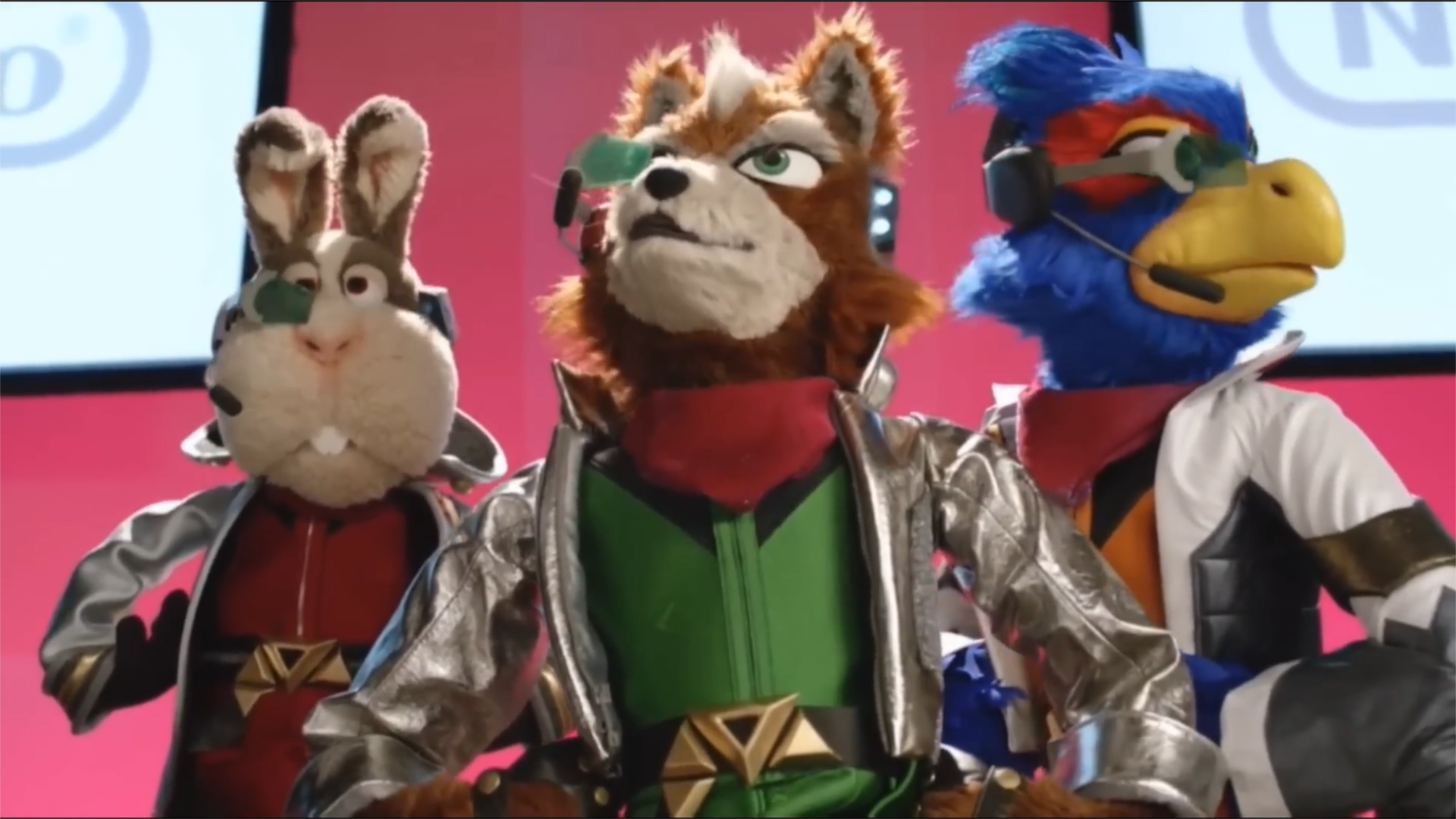
Nintendo’s true value comes from its intellectual property, but in the past several years, it has done a poor job of capitalizing on that fact. It has chosen to focus on the big money makers like Mario, Zelda, and Pokémon at the expense of many of its other first- and second-party IPs. Some beloved franchises like F-Zero and Star Fox have apparently been memory-holed, never to be seen or even mentioned again except in subtle references or bizarre battle royale-ified re-releases.
I’ll admit that I am quite excited to see the revival of some of the weirder franchises with the upcoming releases of Rhythm Heaven Groove and Tomodachi Life: Living The Dream, but these releases are symptoms of this exact problem that I’m talking about. Nintendo can only camp out on its previous successes for so long before it starts seeing diminishing returns. If Nintendo wants to remain competitive in the years to come, it’s going to need to start taking risks again and giving us fresh, new games with fresh, new ideas.
What do you think? Do you prefer the new Nintendo or the old Nintendo? Or has it always just been the same Nintendo? Tell us what you think in the comments below, or head on over to our Discord and join the conversation!
Featured Image: Nintendo (via Kotaku)


Leave a Reply