
Some (very) short time after Resident Evil 4 set all kinds of gameplay trends, the quick time event (QTE) burned hotter than the sun and quickly flared out. An entire subgenre, let’s call it “Dragon’s Lair-but-with-more-steps,” hit the zeitgeist of the seventh gen. Quantic Dream’s Heavy Rain led the charge. And now the two most recent Final Fantasy games remind me why the quick time event had its moment.
But even as the form was hitting its stride, I could see the tide turning against QTEs. My clearest memory of them losing favor was when the PS3 era entries of God of War and Uncharted were battered for quick time event inclusion. In essence, QTEs are disliked because they tend to be in contrast to how the surrounding game trains you to play. This is true of Final Fantasy as well. There’s nothing about those games’ core mechanics that feel part and parcel with their QTEs. However, they flirt with how Quantic Dream made such compelling games by putting them front and center. VII Remake and Rebirth, in fact, literally put the quick time event back on stage.
Here’s the key: Heavy Rain and other games like it are programmed to react in real time with how you perform. Screw up an input during a struggle in Heavy Rain and your character will fumble, take a punch, or flinch at the wrong time. That puts the player on their heels and ramps up the tension. Furthermore, the player gets to see a dynamic shift in the on-screen action frequently as they fail, succeed or muddle through. Unfortunately, in Quantum Dream’s wake, most action games used them as little more than a change up pitch.
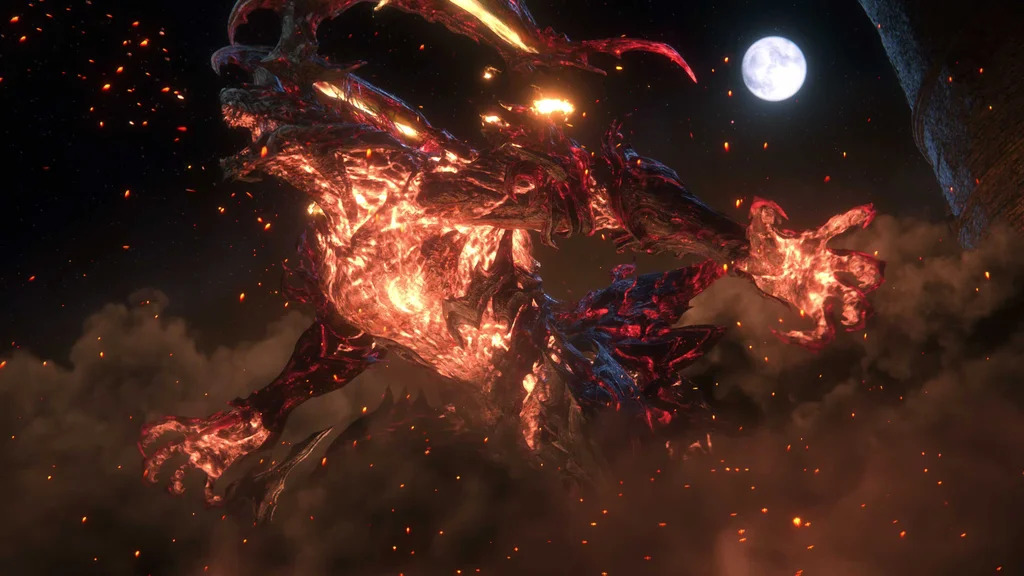
Final Fantasy XVI‘s QTE-style Eikon battles come frustratingly close to this dynamic. Your performance does matter, but there tend to only be two outcomes or only certain points in the set piece where you will either succeed or fail. The scale and drama of those battles are heart pounding, and yet they still feel like tapping along to a song that will wrap up whether you’re into it or not.
Final Fantasy VII Rebirth doesn’t even quite go that far. And yet your team’s performance at Gold Saucer achieves a similar kind of excitement. The player’s QTE prowess has no effect on the scene as you watch it; however, you’re simply given a performance grade and different reward based on the game’s hidden rubric. But in the moment, the clash of swords (and the case-sensitive need to tap or hold a button based on it) perfectly mimics the action you watch. It’s far more rousing than the quasi-rhythm game version of QTE that takes place in Junon.
Still, if Square Enix were to offer a full-fat game that was bred from the DNA of Quantic Dream’s heyday, FFXVI‘s Eikon battles, VII Rebirth‘s stage performance (Heck! Even its infuriating piano game), I’d line up. Maybe they could even harvest some essence from their very own Theatrhythm series?
What do you think? Is there a place for the humble quick time event in your heart? If so, who does it right? Tell us about it down in the comments or over at the Boss Rush Discord.
Featured Image: Square Enix

The Boss Rush Podcast – The Boss Rush Podcast is the flagship podcast of Boss Rush Media and the Boss Rush Network. Each week, Corey, Stephanie, LeRon, and their friends from around the internet come together with other creators, developers, and industry veterans to talk about games they’ve been playing, discuss video game and entertainment based topics, and answer questions solicited on social media and the community Discord.
New episodes of The Boss Rush Podcast release every Monday morning on YouTube and all major podcast applications like Apple Podcasts and Spotify. Patreon supporters gain one week early access.
Listen on your favorite podcast application or watch on YouTube!
Anchor | Apple Podcasts | Spotify | Google | Twitch | Overcast | Pocket Casts | Stitcher | Amazon Music
Follow The Boss Rush Podcast on Social Media: Twitter | Discord | Instagram | Twitch | YouTube | Facebook Group

Leave a Reply